Day 2.2 Beit She'An
Wednesday, October 15, 2025
Back on the bus, we headed south to a site of ancient Roman ruins at Beit She'An, which sits at the junction of the Jordan River and the Jezreel Valley. I knew nothing about this location beforehand ... but was immediately impressed by the scale and quality of the ruins and the very large Tel (city mound) in the background.
It is regarded as one of the oldest cities in the region, with archaeological work on the Tel finding evidence of habitation dating back to 4000 to 5000 B.C. The city is referenced in the Bible in a grisly role as the place the Philistines hung the body of Saul on the city walls following their defeat of Saul and his sons (including Jonathan) at the battle on nearby Mount Gilboa.
1 Samuel 31
31 Now the Philistines fought against Israel; the Israelites fled before them, and many fell dead on Mount Gilboa. 2 The Philistines were in hot pursuit of Saul and his sons, and they killed his sons Jonathan, Abinadab and Malki-Shua. 3 The fighting grew fierce around Saul, and when the archers overtook him, they wounded him critically.
4 Saul said to his armor-bearer, “Draw your sword and run me through, or these uncircumcised fellows will come and run me through and abuse me.” But his armor-bearer was terrified and would not do it; so Saul took his own sword and fell on it. 5 When the armor-bearer saw that Saul was dead, he too fell on his sword and died with him. 6 So Saul and his three sons and his armor-bearer and all his men died together that same day.
7 When the Israelites along the valley and those across the Jordan saw that the Israelite army had fled and that Saul and his sons had died, they abandoned their towns and fled. And the Philistines came and occupied them.
8 The next day, when the Philistines came to strip the dead, they found Saul and his three sons fallen on Mount Gilboa. 9 They cut off his head and stripped off his armor, and they sent messengers throughout the land of the Philistines to proclaim the news in the temple of their idols and among their people. 10 They put his armor in the temple of the Ashtoreths and fastened his body to the wall of Beth Shan.
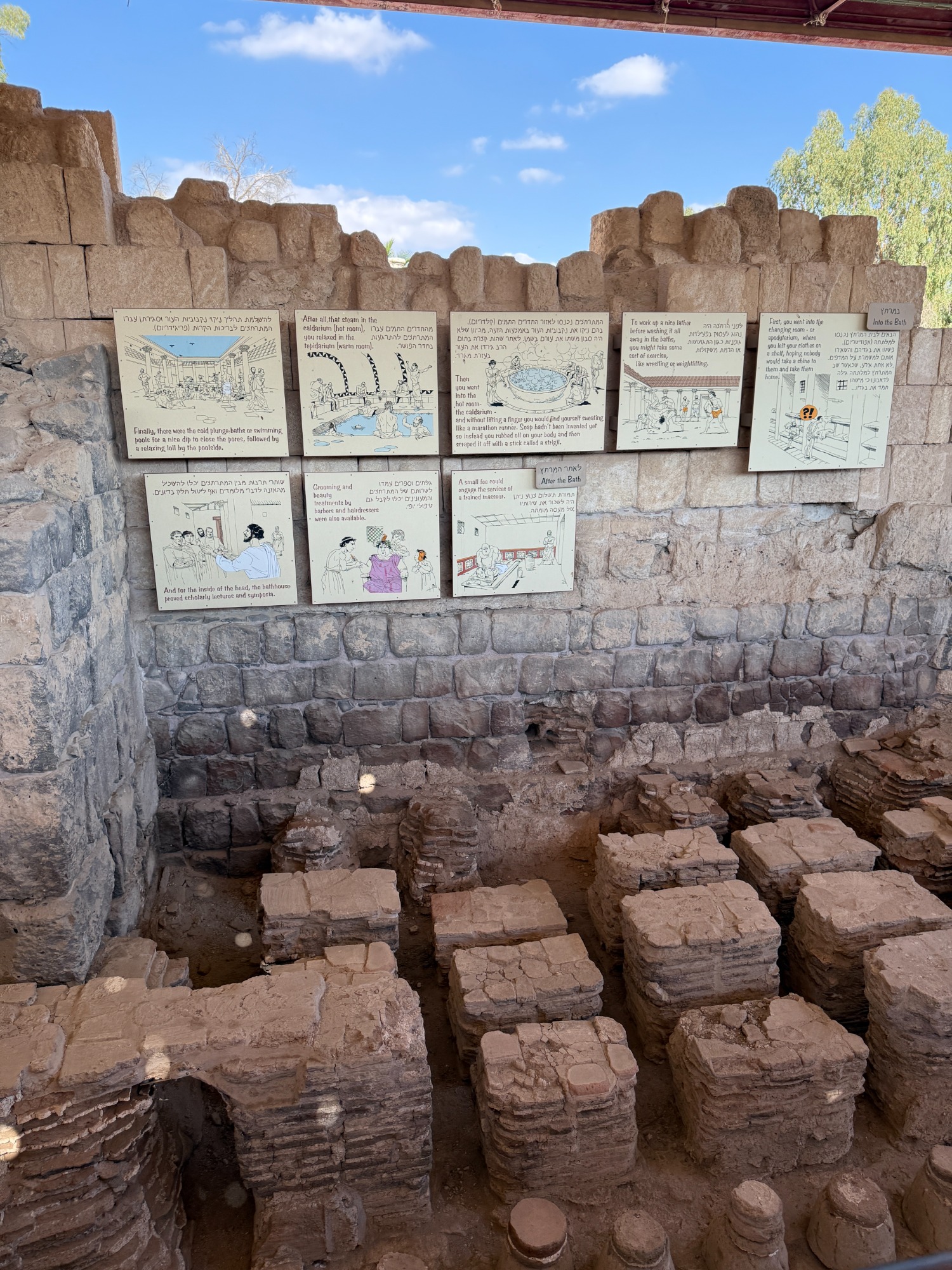
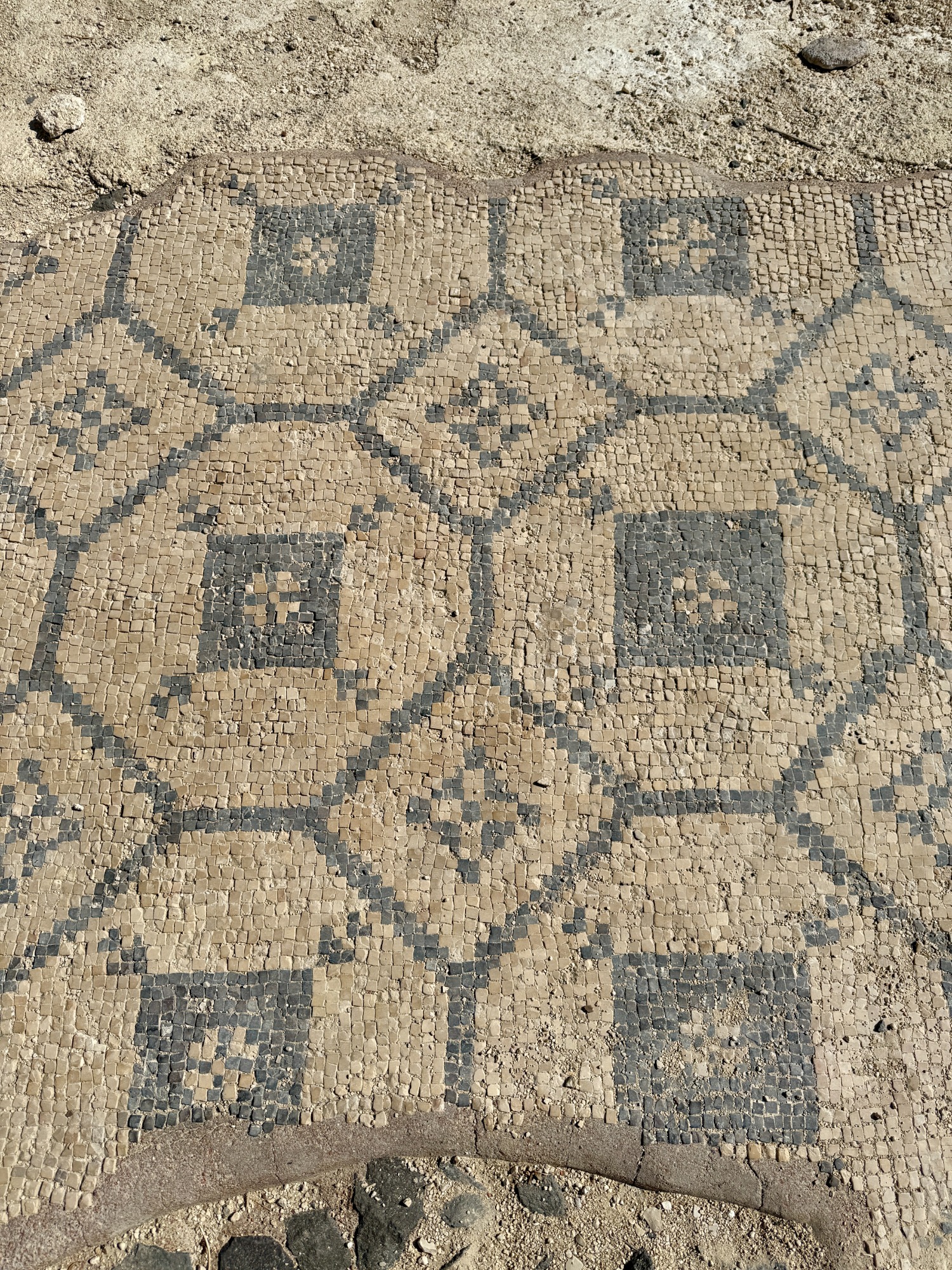
The Romans took over and began rebuilding the city in 63 A.D., including the addition of a very impressive and sophisticated bath house complex with heated floors, steam saunas, cold plunge pools, and beautiful mosaic floors that are still there today.
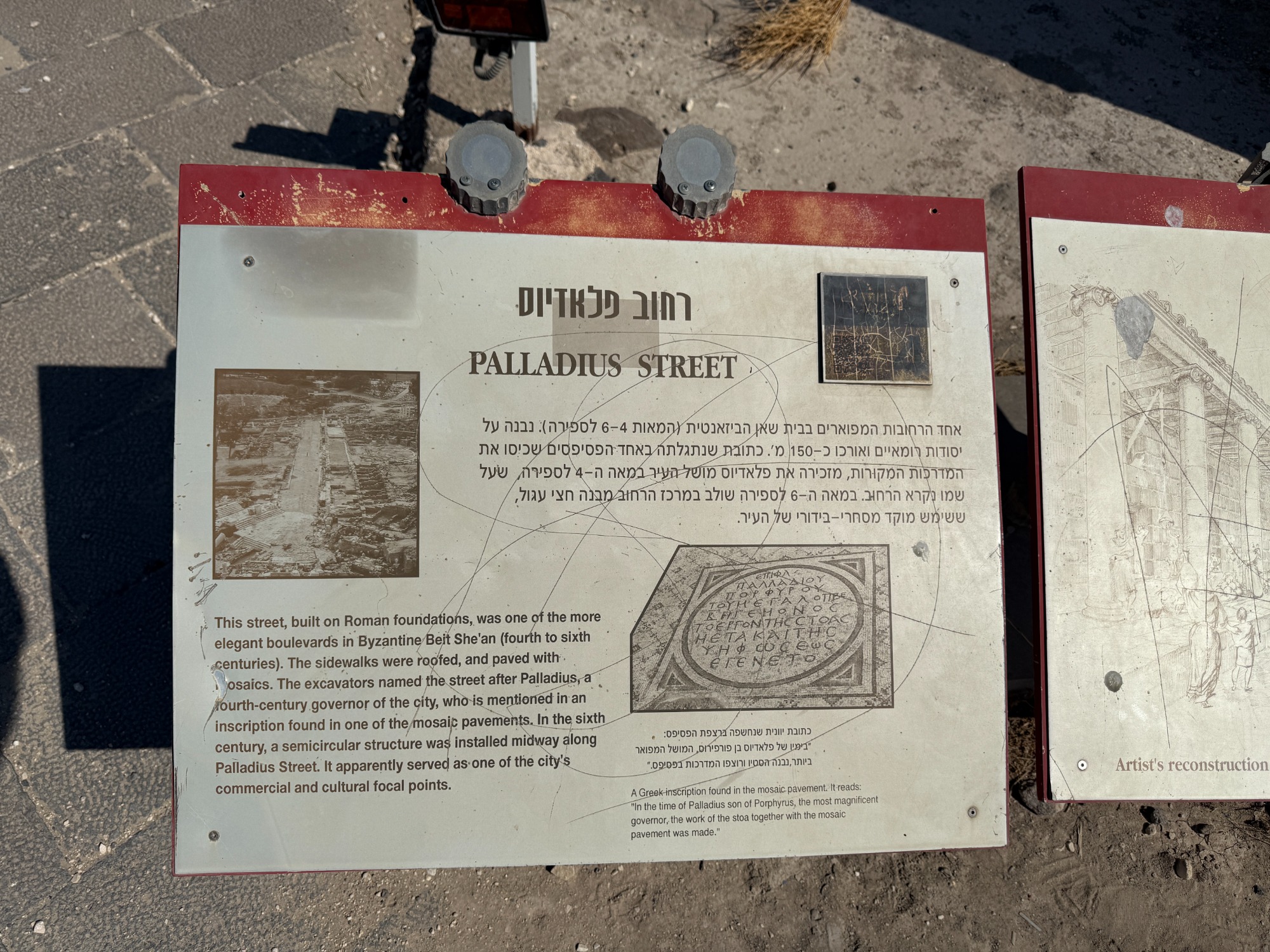
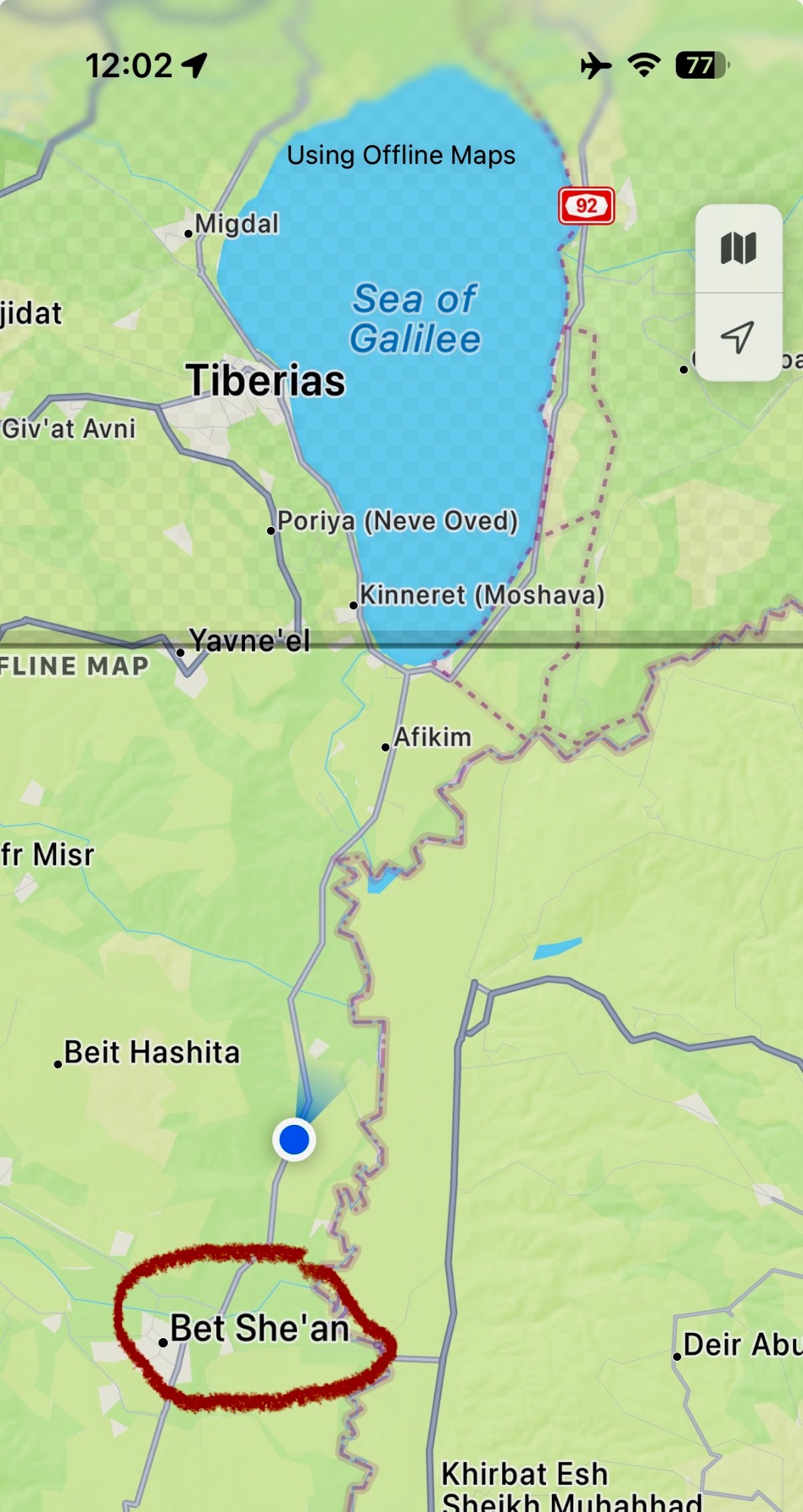
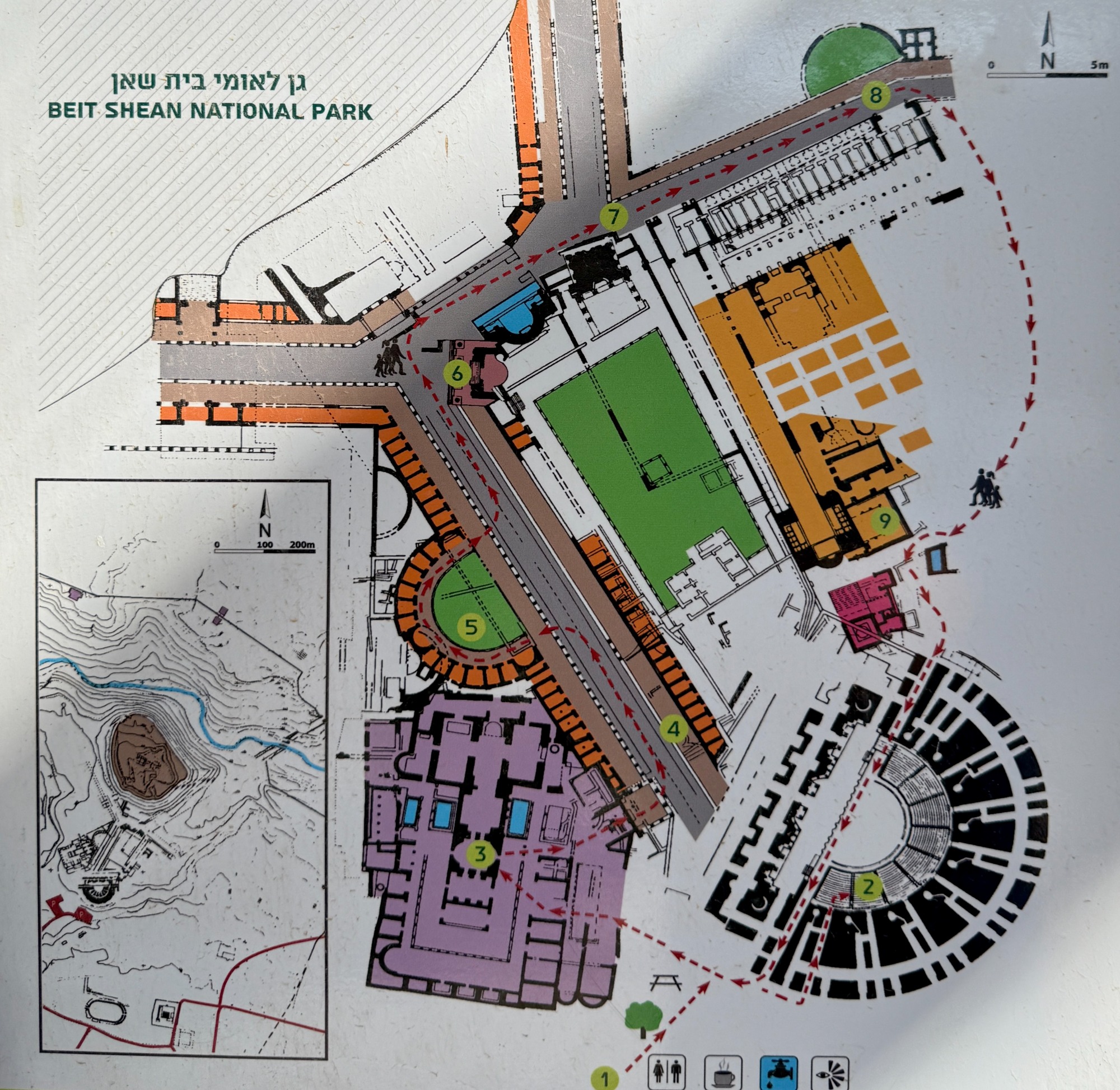
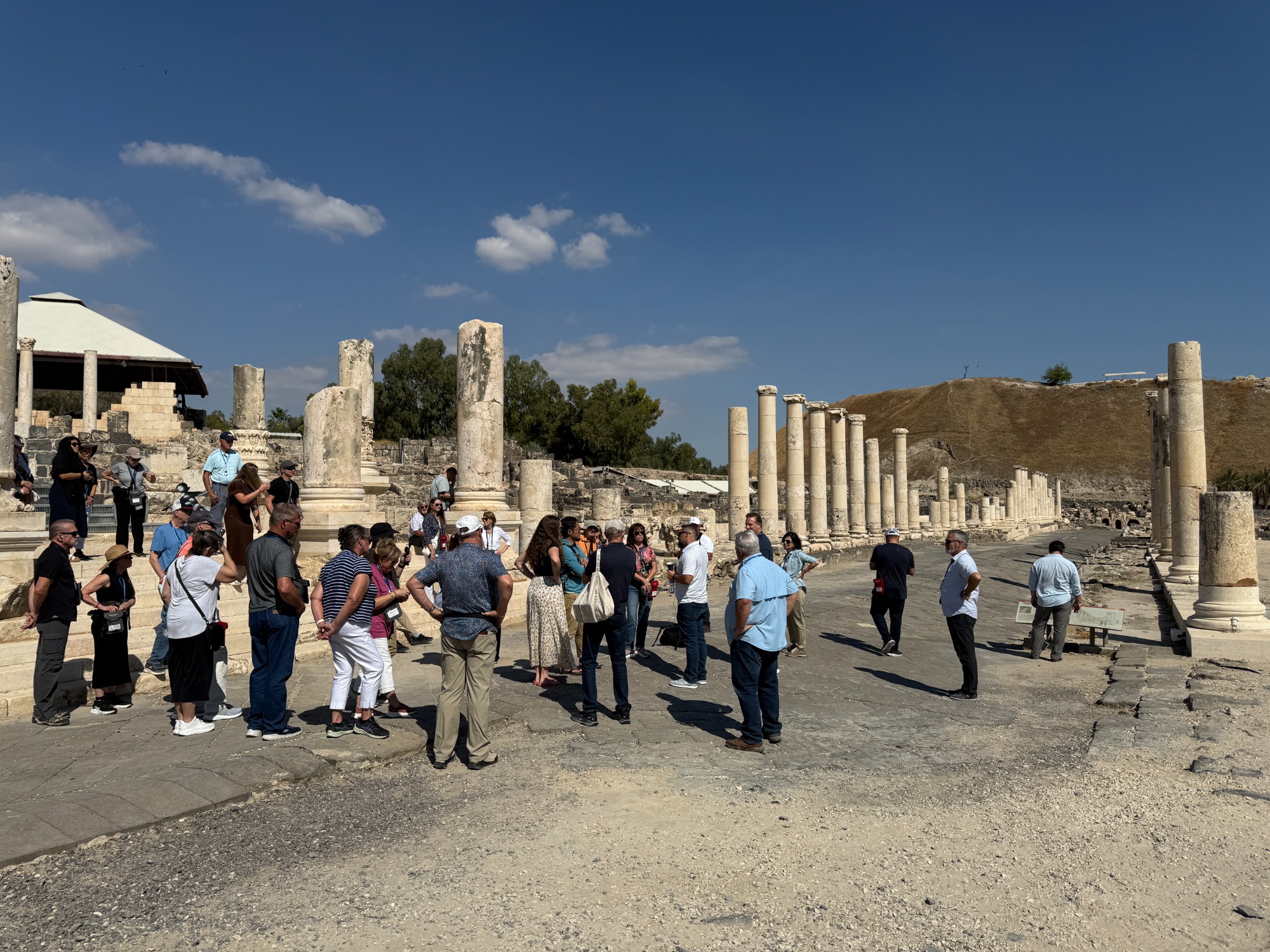
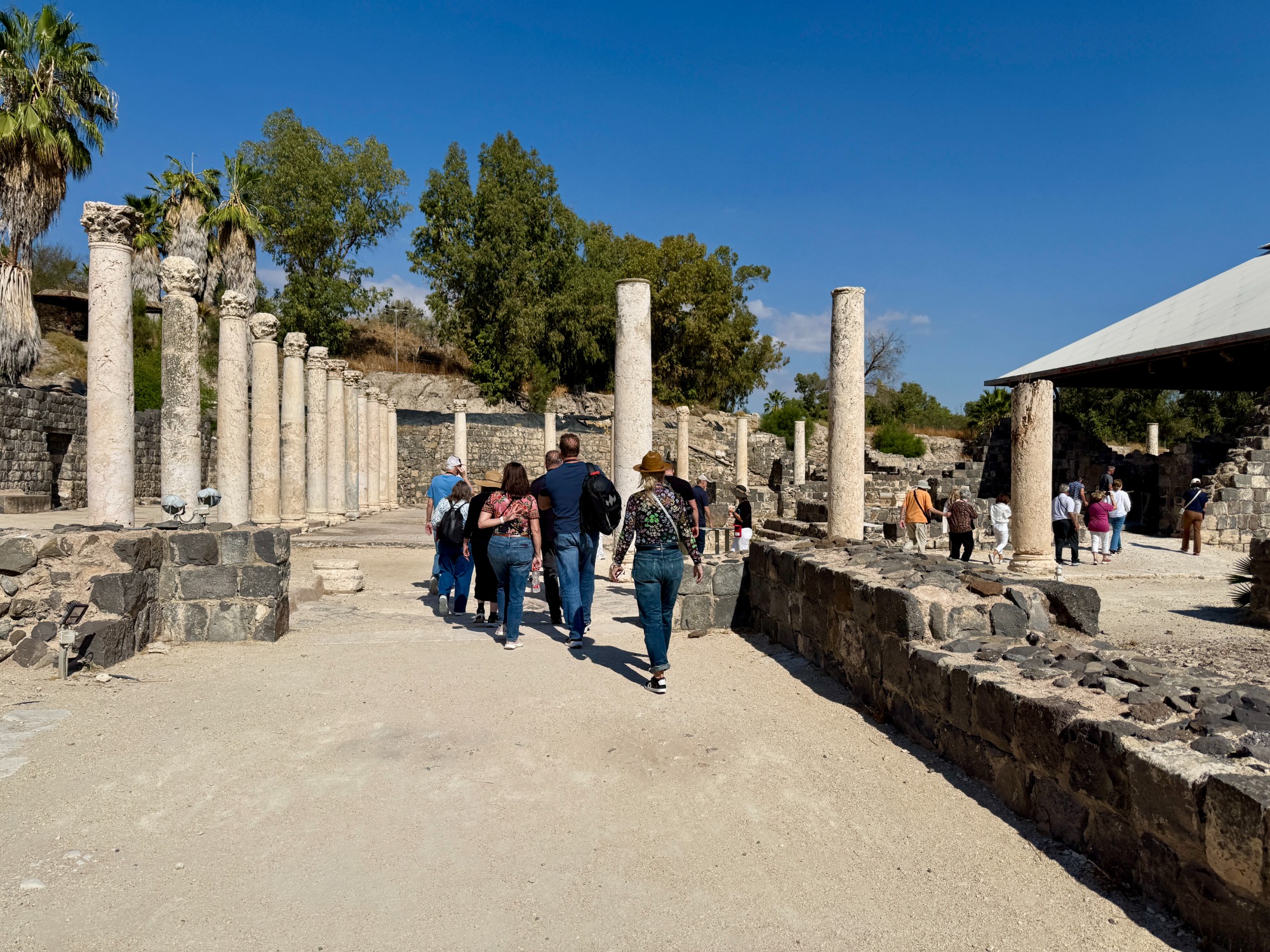
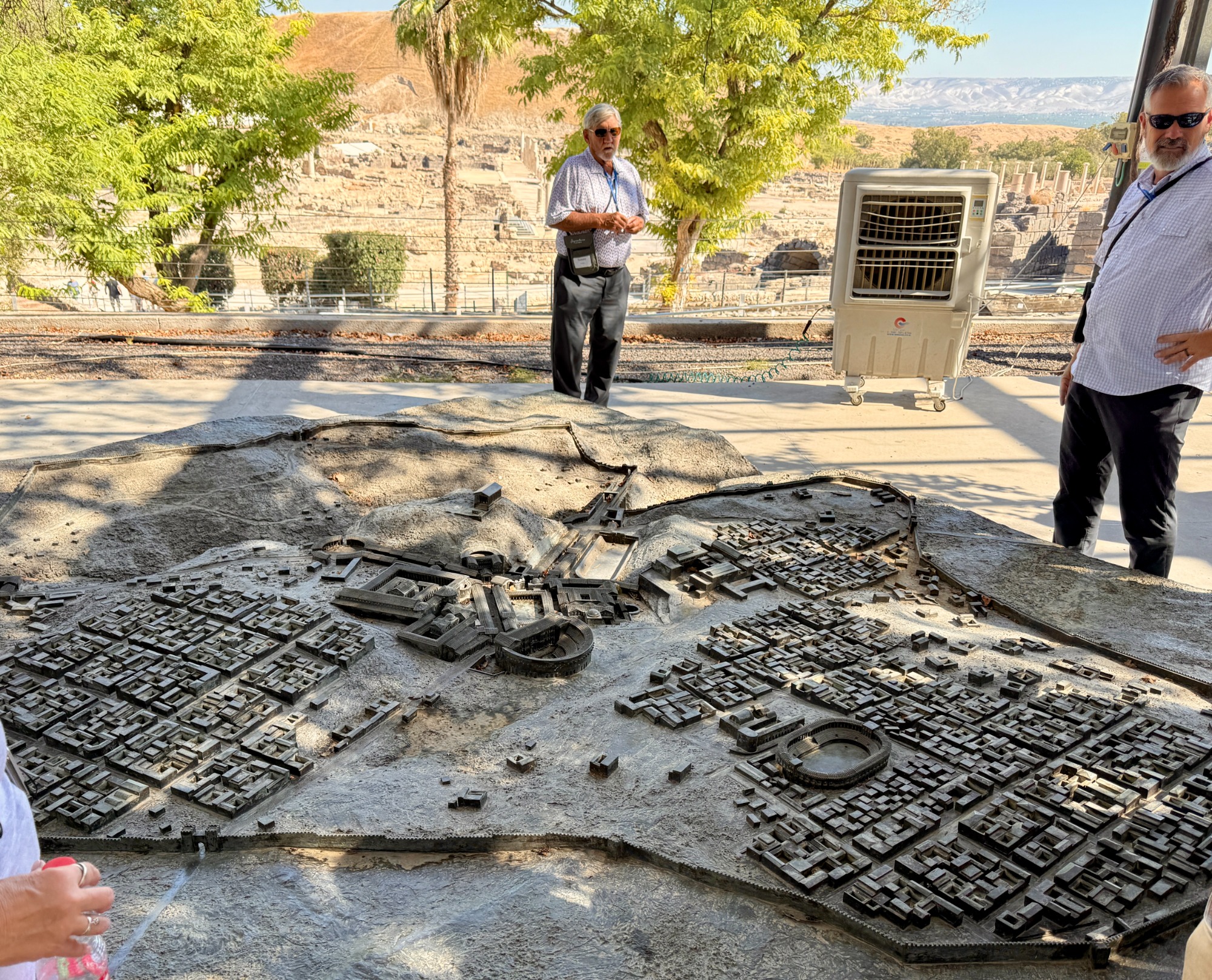
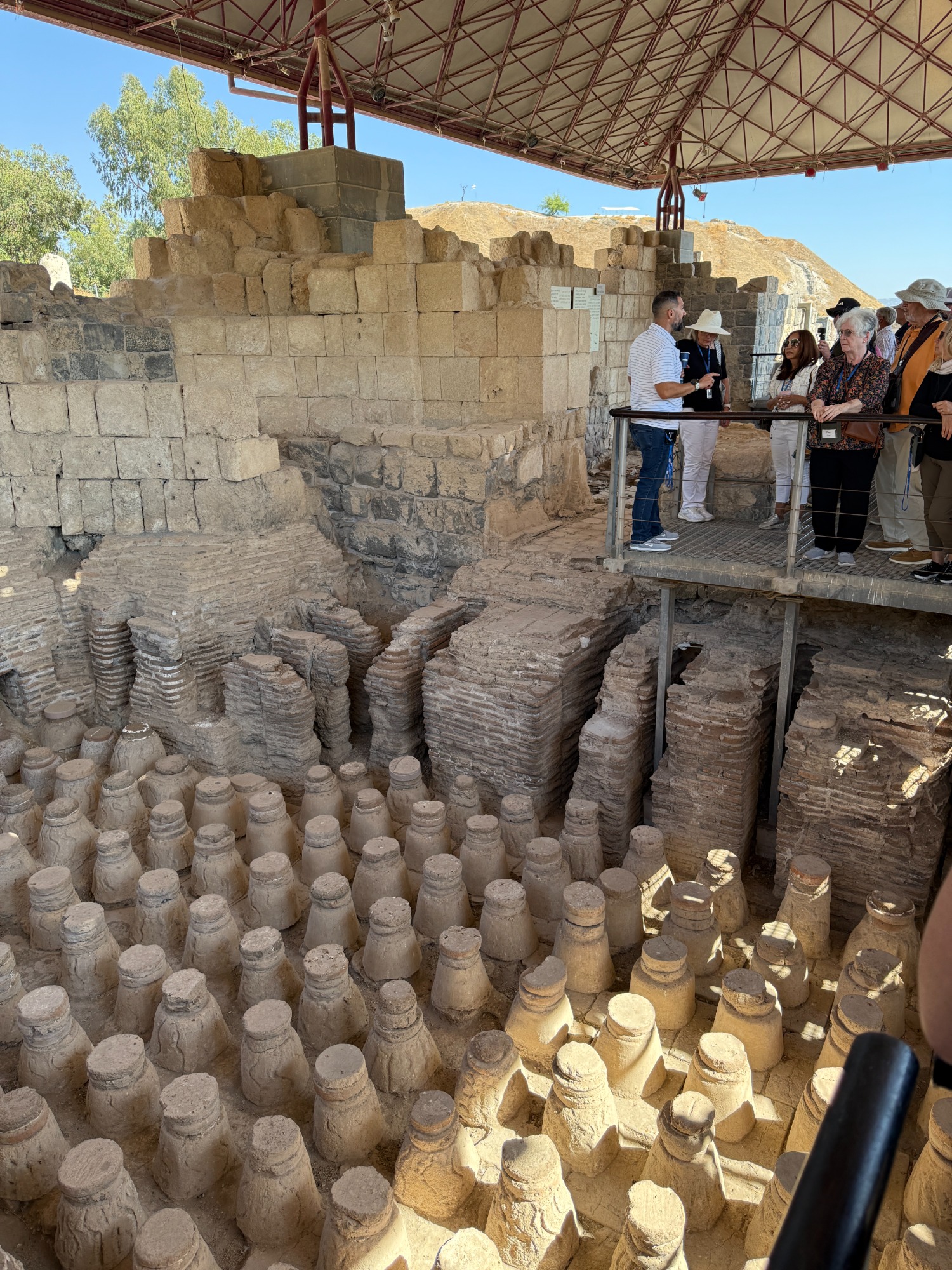
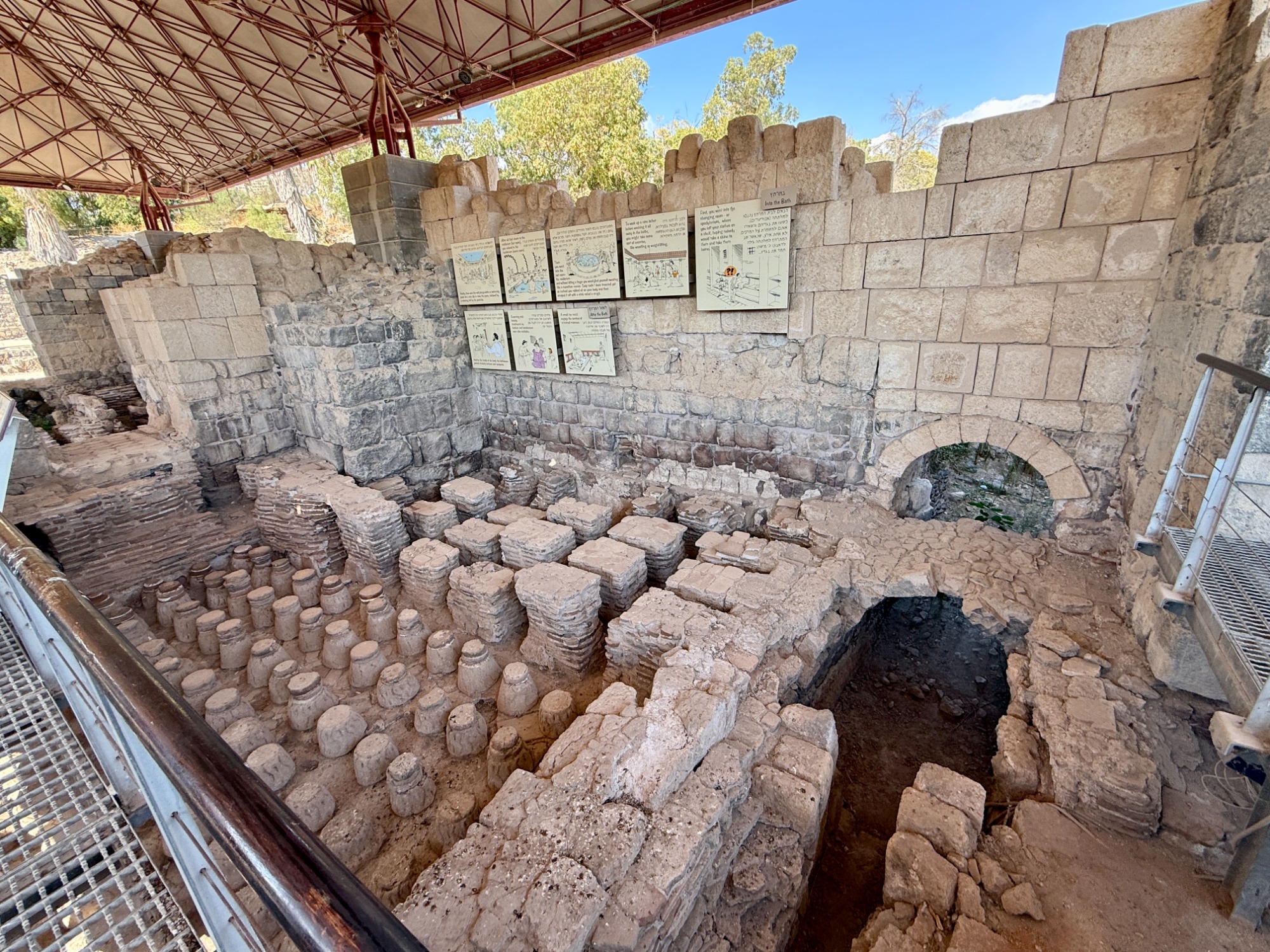
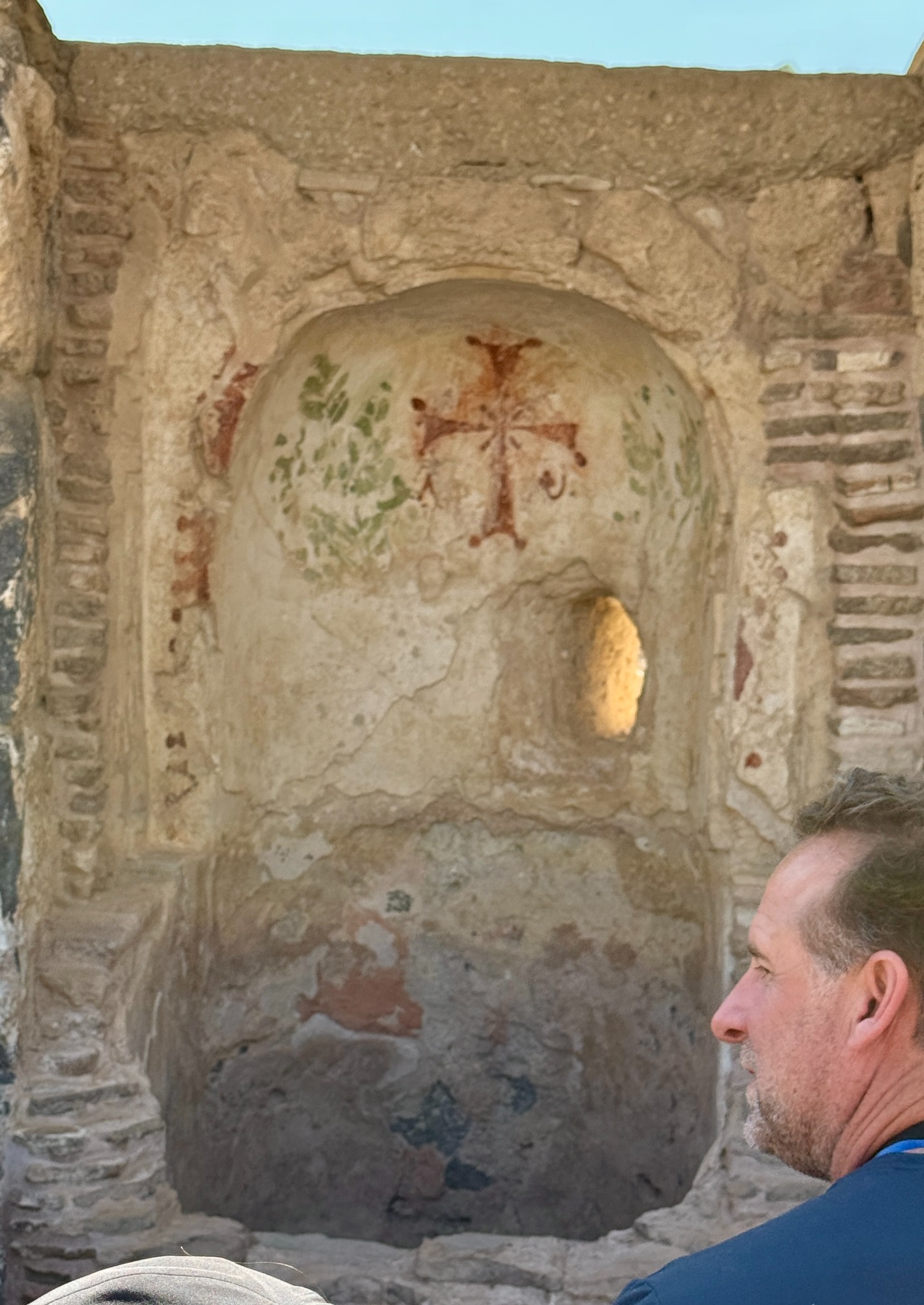
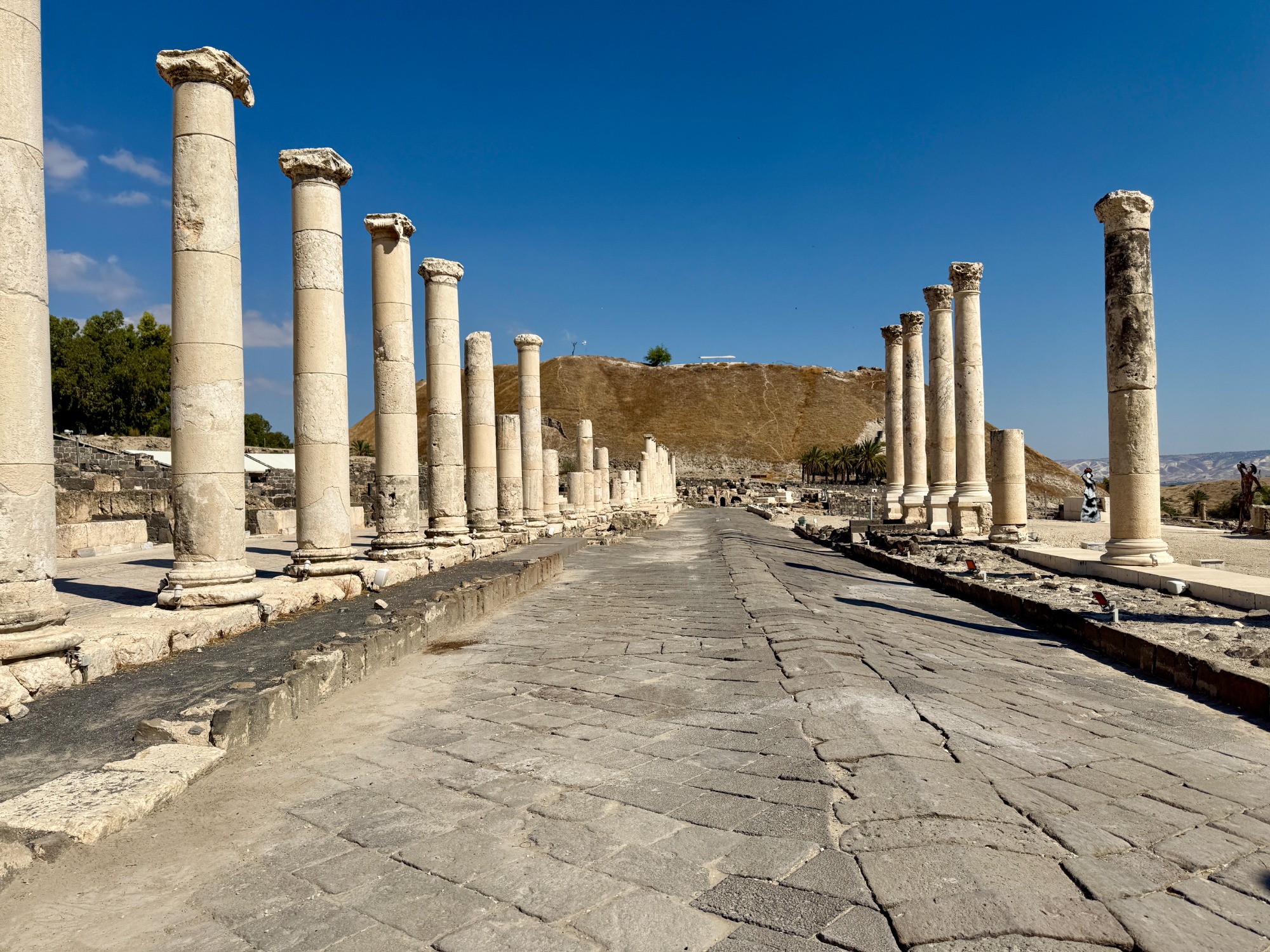
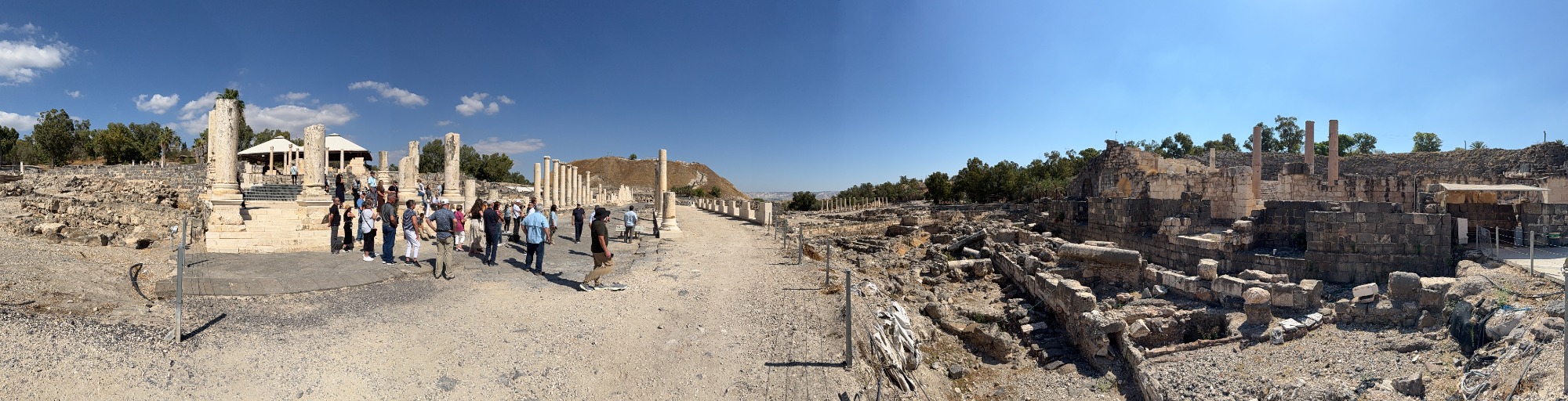
The impressive colonnaded main city street leads directly to the large Tel (shown in the background in the photos) on one end and the large amphitheater on the other.
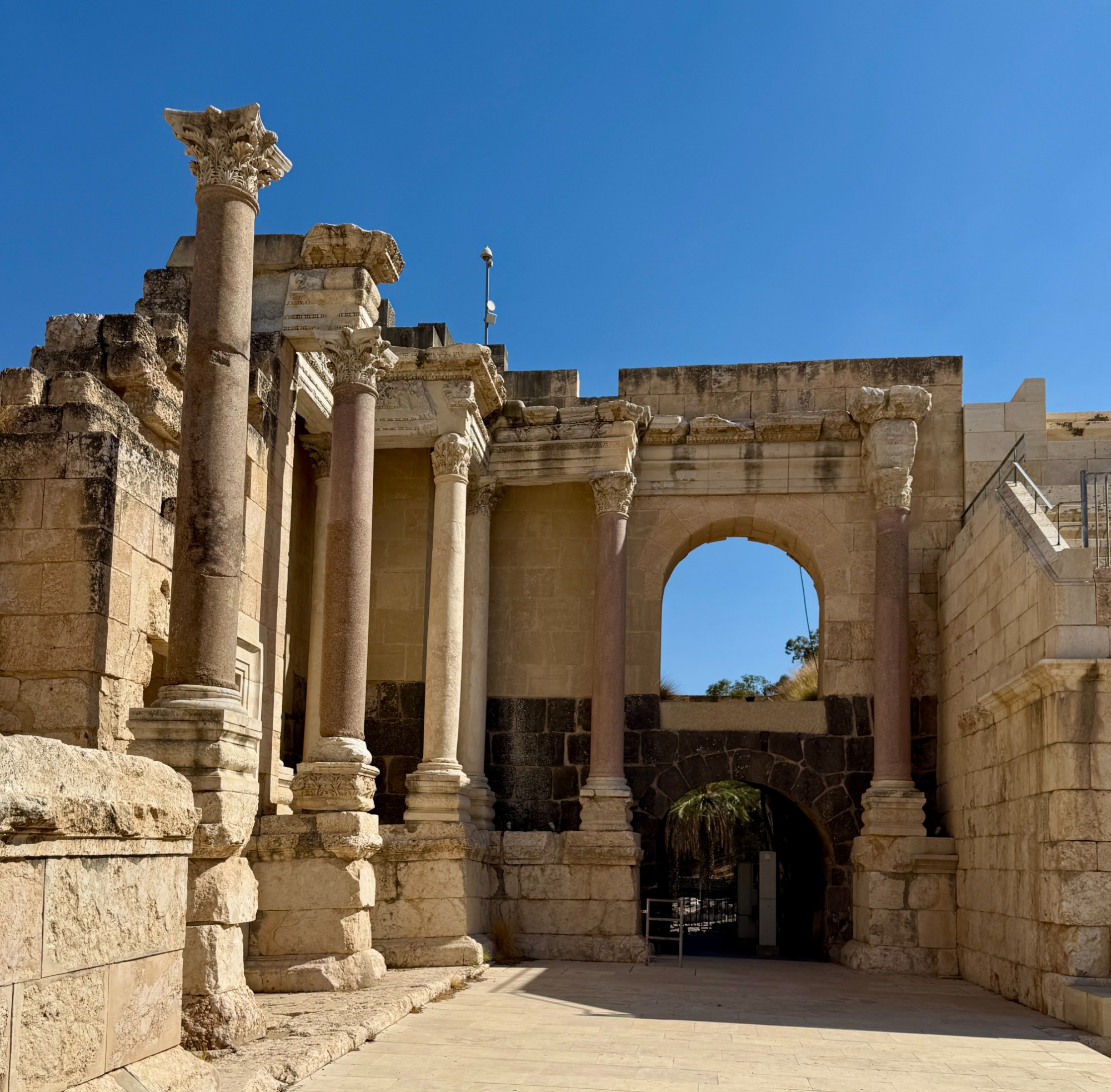
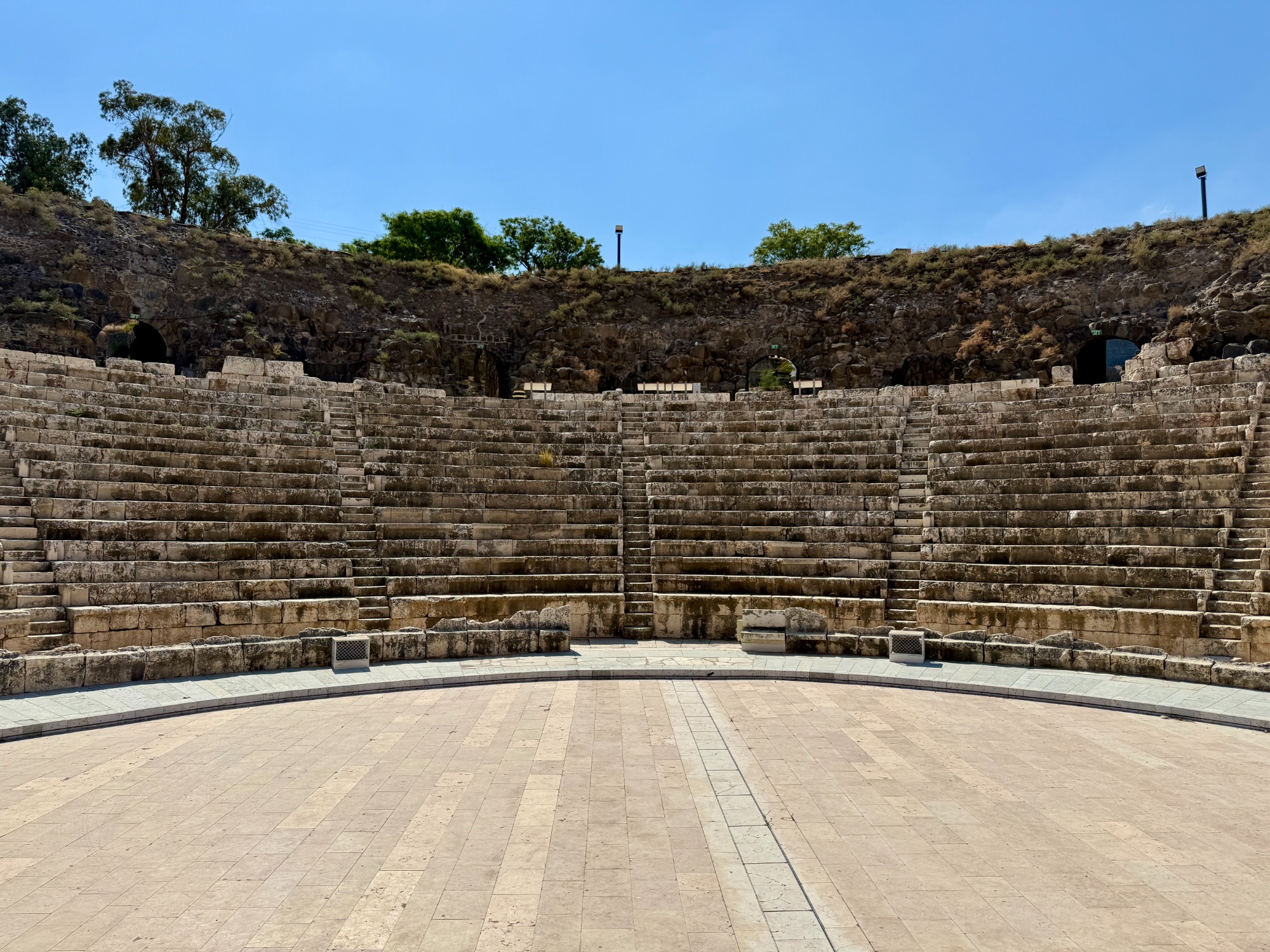
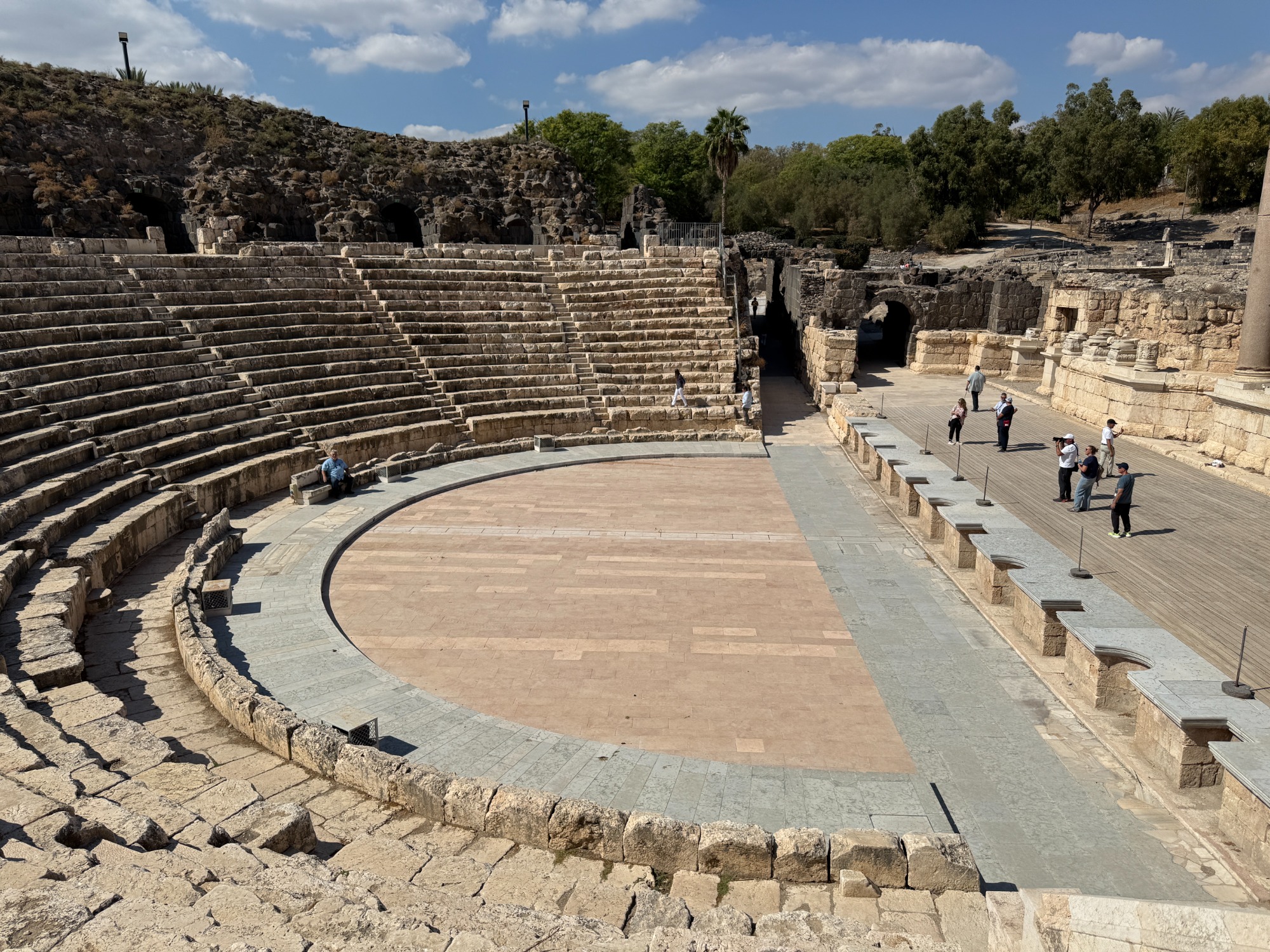
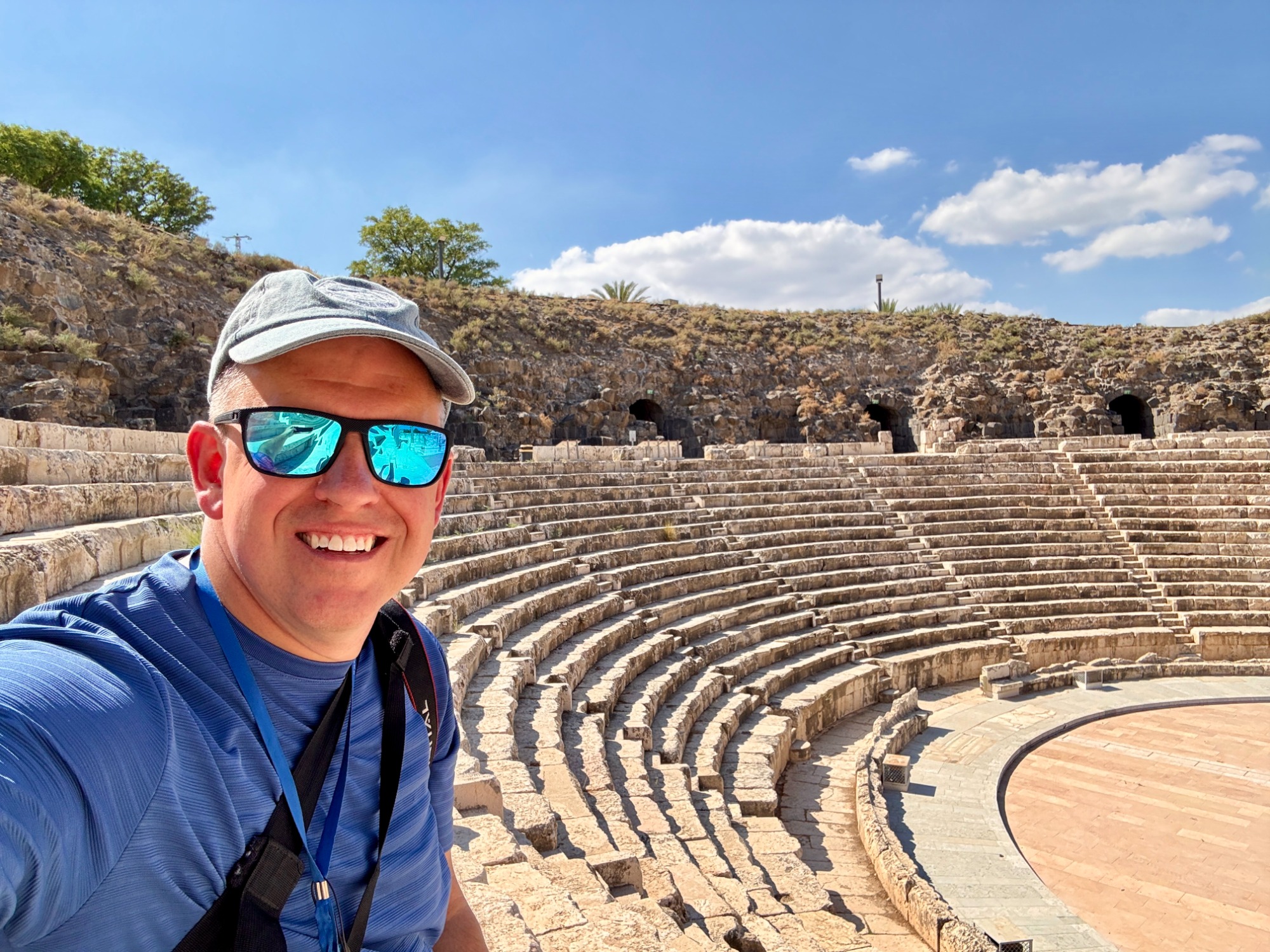
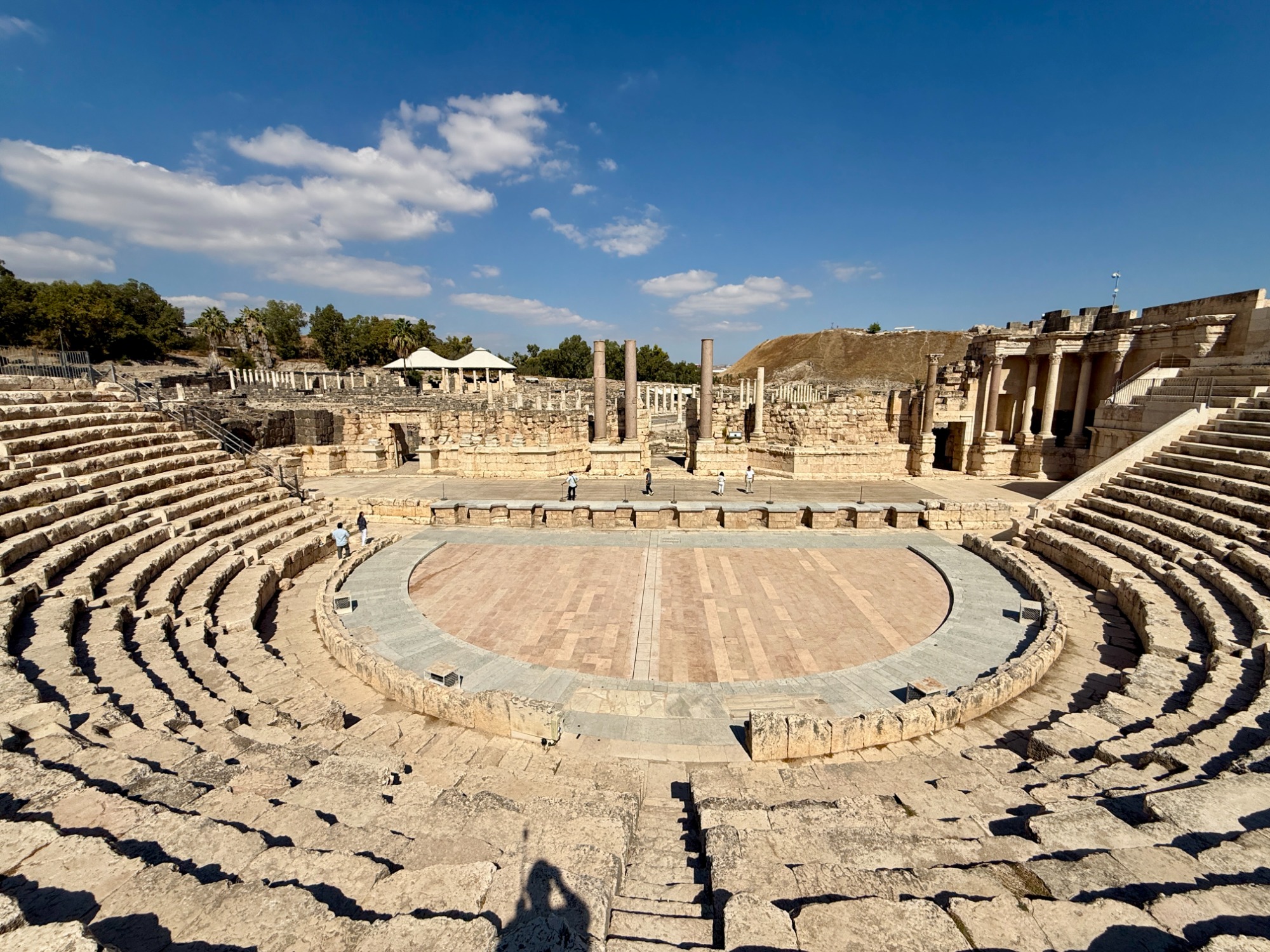
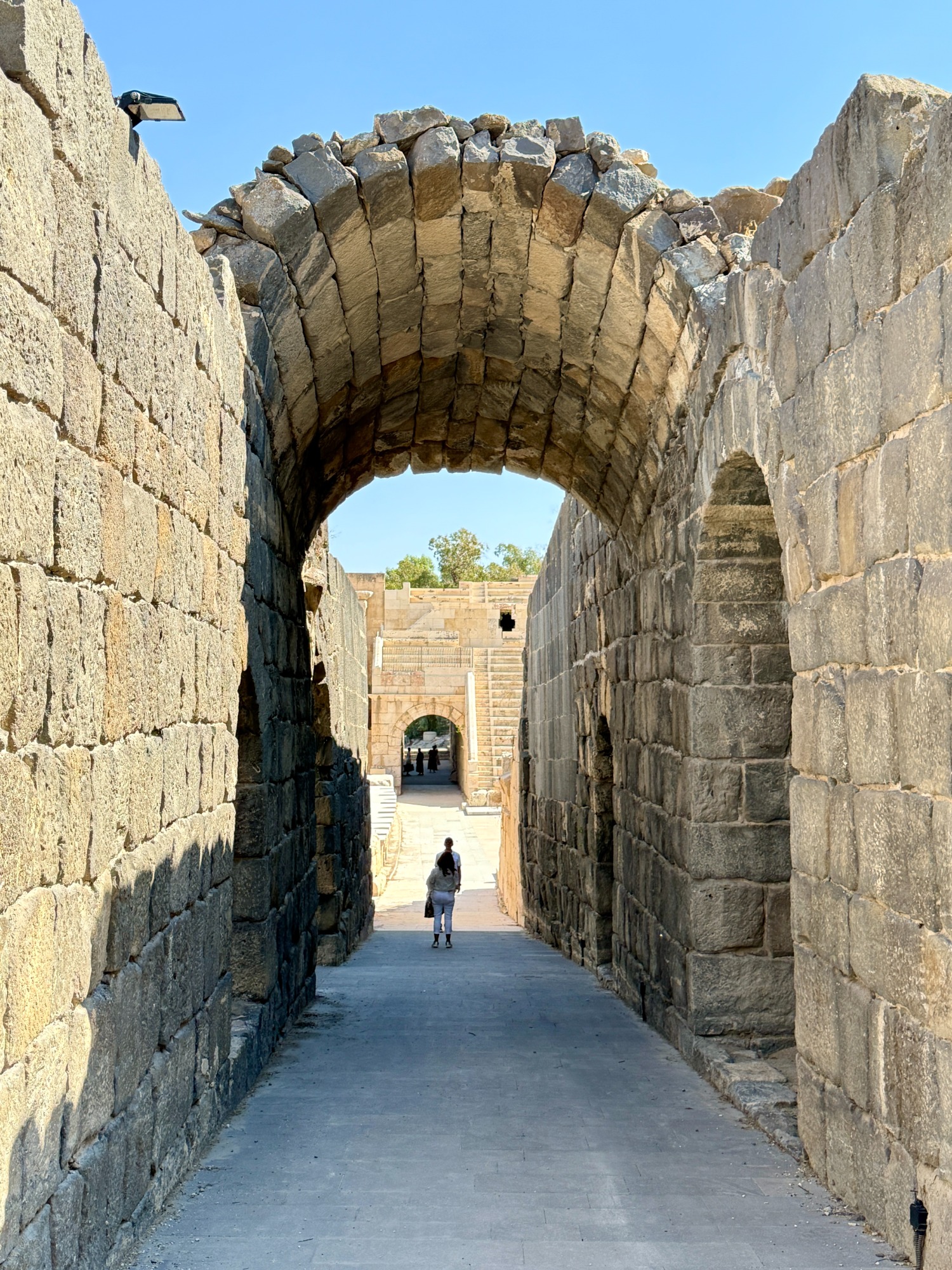
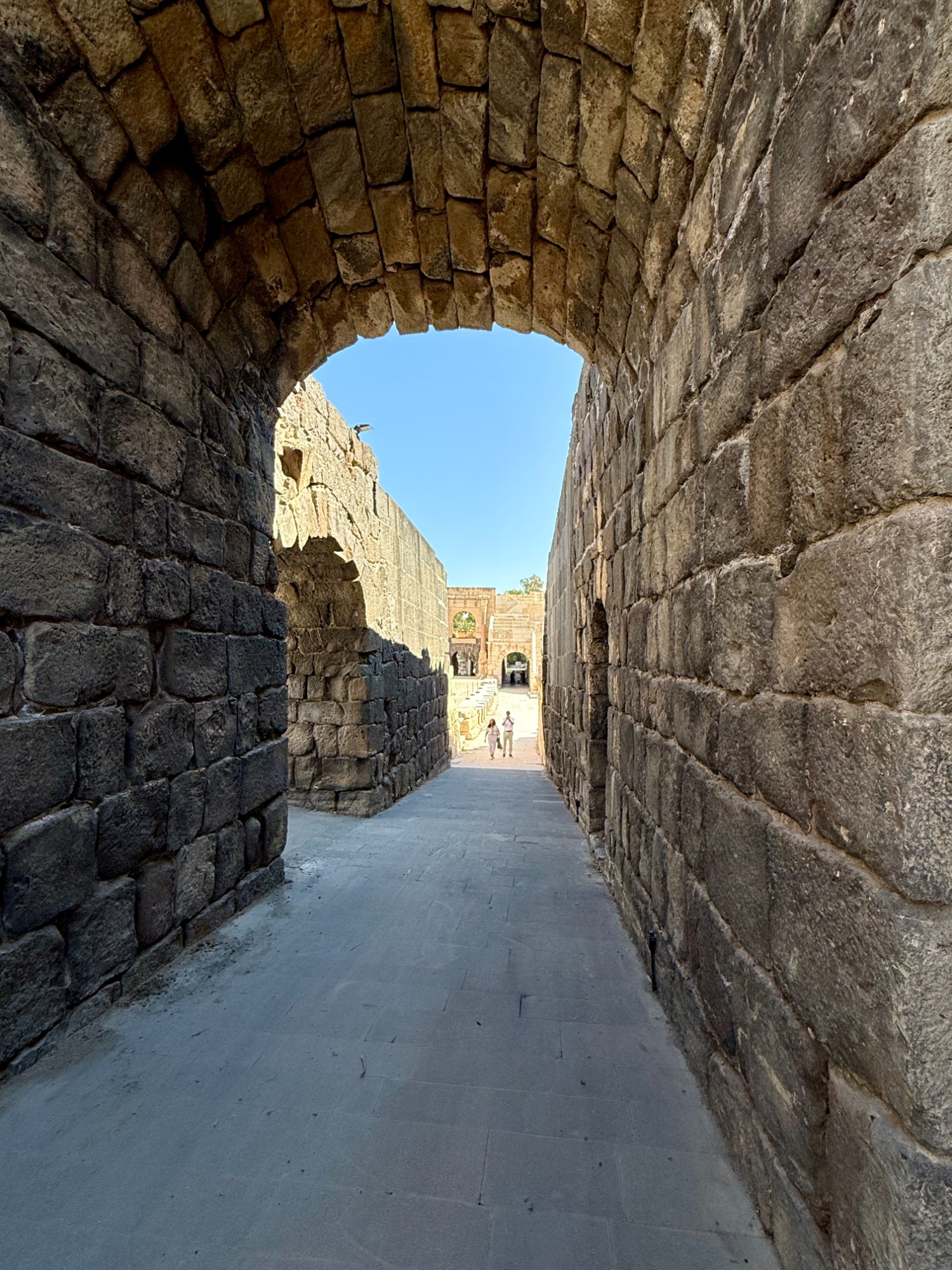
An impressive set of Roman ruins for sure. Those of us on the Footsteps of Paul trip agreed it was similar to or even surpassed what we saw at the city of Corinth last year.
While the city was here throughout Jesus' life and ministry just a few miles to the north, it's unlikely he ever visited given it was purely Roman.
So ... no Jesus here. Time to move on and get back to His footsteps for the rest of the day!